Le biochar, ce nouvel or noir • Les Horizons

In the realm of carbonaceous materials, biochar and charcoal are often used interchangeably, yet they represent distinct products with unique properties and applications. While both are derived from the pyrolysis of organic biomass, they serve different purposes and exhibit varying characteristics. In this comprehensive guide, we will delve into the connection and difference between biochar and charcoal, shedding light on their production processes, properties, and practical uses.

Understanding Biochar and Charcoal Production

Biochar Production Process

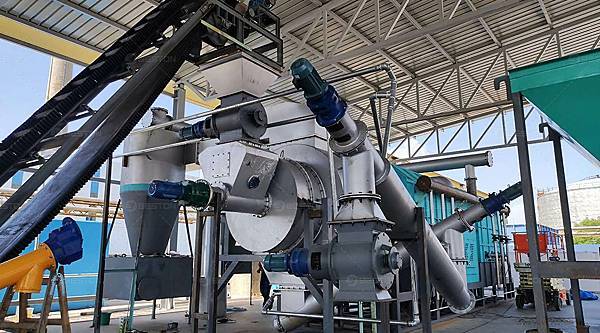
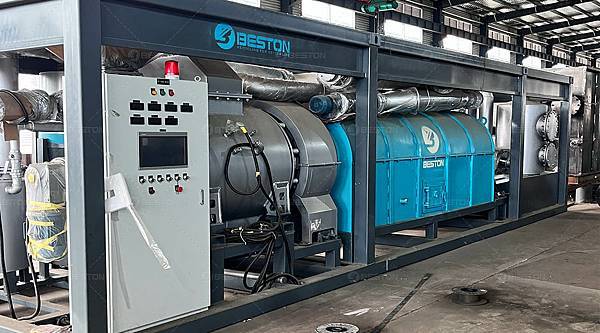
Biochar production equipment utilizes a process known as pyrolysis to convert organic biomass, such as wood chips, agricultural residues, or crop waste, into biochar. During pyrolysis, biomass is heated to temperatures ranging from 300 to 800 degrees Celsius in the absence of oxygen, causing it to decompose into volatile gases, liquid bio-oil, and solid biochar. The resulting biochar is a highly porous, carbon-rich material that retains many of the original properties of the biomass feedstock.

Charcoal Making Process

bestoninchina 發表在 痞客邦 留言(0) 人氣()

Unveiling the Merits of Eucaly

The Charismatic Chemistry of Eucalyptus Charcoal

At the crux of its catalytic prowess lies the notable carbon content of eucalyptus charcoal. This high-carbon composition provides an ideal environment for catalytic reactions, fostering the reduction of metal ores during smelting processes.

The intricate porous structure of eucalyptus charcoal stands as a testament to its suitability as a catalyst. These microscopic pores create a vast surface area, facilitating optimal adsorption and desorption of metal ions during the smelting process.

In the delicate dance of metal smelting, ash can often be an unwelcome participant, introducing impurities into the molten metal. Eucalyptus charcoal, with its low ash content, ensures a cleaner and more refined end product.

The Unconventional Catalyst Choice: A Technical Odyssey

bestoninchina 發表在 痞客邦 留言(0) 人氣()

Profitable Ventures: The Dynam

In the intricate realm of sustainable business ventures, the allure of investing in a coconut shell charcoal machine emerges as a beacon of profitability and environmental stewardship. This detailed exploration delves into the multifaceted avenues through which astute investors can capitalize on the burgeoning market of coconut shell charcoal production.

Understanding the Charcoal Production Landscape

The Essence of Coconut Shell Charcoal

Coconut shell charcoal holds a unique position in the realm of activated carbon and energy production. Known for its high carbon content and low ash residue, coconut shell charcoal is a coveted raw material in various industries, including metallurgy, water treatment, and the burgeoning eco-friendly fuel market.

The Catalytic Role of Charcoal Making Machines

bestoninchina 發表在 痞客邦 留言(0) 人氣()

Coconut Shell Recycling Soluti

As the world continues to grapple with the challenges of climate change, environmental sustainability has become a pressing concern for businesses and individuals alike. One area that has seen significant growth in recent years is coconut shell recycling, particularly in the production of charcoal. But what exactly is coconut charcoal making machine, and how does it work? In this article, we'll explore the ins and outs of this innovative technology and examine its potential benefits for both the environment and local communities.

What is Coconut Charcoal Making Machine?

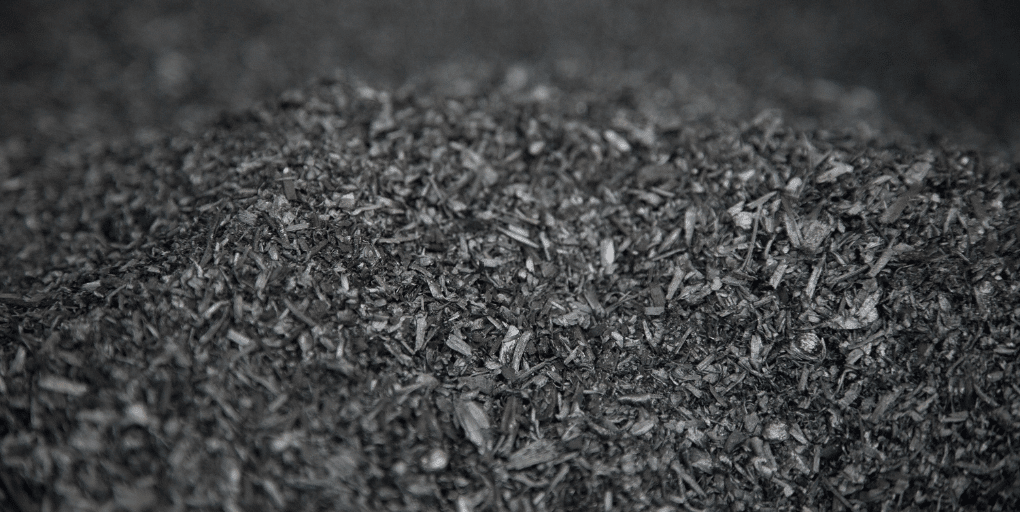
Coconut charcoal making machine is a piece of equipment designed to convert coconut shells into activated carbon, also known as charcoal. The process involves heating the coconut shells in a low-oxygen environment to produce a porous, lightweight material that can be used in various applications, including water filtration, soil amendment, and even cosmetics. The machine itself consists of several components, including a feeding system, a pyrolysis chamber, a cooling system, and a final product collection system. The feeding system ensures that the coconut shells are fed into the pyrolysis chamber at a consistent rate, where they are heated to high temperatures in the absence of oxygen. This process produces a mixture of gases, including methane, ethanol, and acetylene, which are then collected and stored for later use. The resulting charcoal is then cooled and collected, ready to be packaged and sold to customers. The entire process is automated, requiring minimal human intervention and reducing the risk of contamination.

How Does Coconut Charcoal Making Machine Work?

So, how does the machine actually work? The process begins with the collection of coconut shells, which are first cleaned and shredded into smaller pieces to increase their surface area. These pieces are then fed into the pyrolysis chamber, where they are subjected to high temperatures (typically between 200°C to 800°C) in the absence of oxygen. This process causes the coconut shells to undergo thermal degradation, releasing volatile gases and leaving behind a porous, lightweight material – activated carbon. The activation process increases the surface area of the carbon, allowing it to absorb impurities and contaminants more effectively. The pyrolysis process also produces a range of byproducts, including bio oil, which can be used as a renewable energy source. The machine's design ensures that these byproducts are captured and stored for later use, minimizing waste and maximizing efficiency.
bestoninchina 發表在 痞客邦 留言(0) 人氣()

Recycling Possibilities in a R

In the ever-evolving landscape of waste management, rubber pyrolysis plants have emerged as a beacon of innovation, offering a sustainable solution to the ever-growing burden of discarded rubber materials. Understanding the spectrum of waste suitable for these plants is crucial to harness their full potential.

Decoding the Rubber Pyrolysis Plant

A Thermal Transformation Journey

At the heart of a rubber pyrolysis plant lies the process of pyrolysis, an intricate thermal transformation mechanism that converts rubber waste into valuable byproducts like pyrolysis oil, carbon black, and combustible gases. The efficiency of this process hinges on the type and composition of the rubber-based waste materials fed into the system.

Types of Rubber Waste Suitable for Rubber Pyrolysis Plants

bestoninchina 發表在 痞客邦 留言(0) 人氣()

Waste Paper Resource Recycling

In the ever-evolving landscape of waste management, the quest for sustainable solutions takes a revolutionary turn with the advent of pulp molding machines. This ingenious technology not only addresses the environmental concerns associated with waste paper but also propels the concept of circular economy to new heights.

Waste Paper Woes: A Global Challenge

The staggering volume of waste paper generated globally necessitates innovative recycling solutions. Enter pulp molding machines, designed to breathe new life into discarded paper. These machines are a testament to ingenuity, offering an efficient and eco-friendly alternative to traditional disposal methods.

The Art and Science of Pulp Molding

At the core of this recycling revolution lies the intricate process of pulp molding. It begins with the collection of waste paper, which is then transformed into pulp through a meticulous blending and refining process. The resulting pulp is fed into the pulp molding machine, a technological marvel that molds the pulp into a variety of shapes, ranging from packaging materials to disposable tableware.

bestoninchina 發表在 痞客邦 留言(0) 人氣()

Beston Straw Charcoal Machine in Croatia.jpg

In the quest for sustainable solutions, the journey from waste to wealth has taken a transformative turn with the advent of biomass carbonization machines. This article delves into the intricate world of these machines, with a special focus on the ingenious process of coconut shell charcoal making. As we explore the amalgamation of innovation, resourcefulness, and environmental consciousness, the potential of biomass carbonization comes to life.

The Mechanism Behind Biomass Carbonization

Biomass carbonization equipment brings forth the magic of pyrolysis – a process that metamorphoses biomass materials into charcoal through controlled heating in the absence of oxygen. The alchemy takes place under meticulous conditions of heat, time, and oxygen regulation. This harmonious dance of factors ensures the conversion of biomass into charcoal while minimizing waste and optimizing yield.

The Rise of Coconut Shell Charcoal Making Machines

Amidst the array of biomass sources, coconut shells emerge as a sustainable and potent candidate. Coconut shell charcoal making machines capitalize on this versatile resource, transforming discarded shells into valuable charcoal. The innovative design of these machines embraces the unique properties of coconut shells, ensuring efficient conversion while contributing to waste reduction.

bestoninchina 發表在 痞客邦 留言(0) 人氣()

Oil Sludge Treatment Plant in China, Shanxi.jpg

In the pursuit of sustainable waste management solutions, tyre pyrolysis has emerged as a revolutionary process that not only addresses the challenge of discarded tyres but also provides an avenue for resource recovery. As stakeholders delve into the intricacies of tyre pyrolysis, the spotlight inevitably turns towards a crucial aspect: the cost. This article navigates the terrain of tyre pyrolysis plant cost, shedding light on the various factors that influence it and the strategies to optimize it.

Factors Influencing Tyre Pyrolysis Plant Cost

The cost of establishing a tyre pyrolysis plant is a multi-faceted equation, where several variables come into play:

  • Plant Capacity and Scale: The size of the plant directly impacts the cost. A larger plant with higher processing capacity generally demands a higher initial investment. However, economies of scale often come into effect, reducing the cost per unit of output as the plant size increases.

  • Technology and Equipment Quality: The technology employed and the quality of equipment used in the plant significantly impact the tyre pyrolysis plant cost. Advanced pyrolysis technologies may yield higher product output and energy efficiency, but they can also elevate the upfront investment.

bestoninchina 發表在 痞客邦 留言(0) 人氣()

BST-30 Charcoal Manufacturing Machine.jpg

In a world grappling with escalating waste biomass and its environmental implications, the quest for innovative and sustainable waste management solutions has never been more urgent. Among these solutions, biochar production equipment emerges as a beacon of transformation, heralding a new era in waste biomass treatment. This article navigates through the complexities of biochar production equipment, shedding light on its technical intricacies, environmental advantages, and the potential it holds for revolutionizing waste biomass management.

Understanding Biochar Production

Biochar, often hailed as "black gold," is a porous carbon-rich material derived from the pyrolysis of organic waste biomass. Its applications span a spectrum of domains, from soil improvement and agriculture to water filtration and energy production. The process of creating biochar involves subjecting waste biomass to controlled high-temperature conditions in the absence of oxygen, a process known as pyrolysis. This results in the transformation of biomass into a stable carbon form that holds significant promise for environmental remediation.

Biochar Production Equipment: Technical Insights

Biochar production equipment constitutes a blend of engineering innovation and scientific principles. These specialized systems facilitate the pyrolysis and carbonization processes that convert waste biomass into biochar. The equipment is designed to carefully control temperature and residence time, ensuring optimal pyrolysis conditions. Through this controlled environment, volatile organic compounds are driven off, leaving behind the carbon-rich biochar.

bestoninchina 發表在 痞客邦 留言(0) 人氣()

Oil-Sludge-Pyrolysis-Plant.jpg

In the realm of waste-to-energy conversion, pyrolysis plants have emerged as transformative solutions, combating waste pollution while generating valuable resources. However, the road to success lies in making informed decisions, especially when it comes to selecting pyrolysis plant manufacturers. In this article, we unravel the reasons behind the importance of reliable manufacturers in the quest for sustainable waste management.

Pyrolysis Plant's Importance

Defining Pyrolysis and Its Contribution to the Circular Economy

Pyrolysis is a thermal decomposition process that converts various organic materials into valuable end products, such as biochar, bio-oil, and syngas. By harnessing the principles of pyrolysis, these plants play a pivotal role in transitioning towards a circular economy, where waste becomes a resource.

Highlighting the Versatility of Pyrolysis Plants

bestoninchina 發表在 痞客邦 留言(0) 人氣()

Pyrolysis Plant for Sale in Nigeria.jpg

When it comes to tyre recycling, investing in the right tyre pyrolysis plant is crucial. A tyre pyrolysis plant offers a sustainable solution to the mounting problem of used tyres while providing valuable end products such as pyrolysis oil, gas, and carbon black. In this article, we delve into the most important factors to consider when choosing a tyre pyrolysis plant, taking into account technical specifications, efficiency, environmental impact, end product quality, and after-sales support.

Technical Specifications and Capacity

The first aspect to consider when selecting a tyre pyrolysis plant is its technical specifications and processing capacity. It is essential to understand the plant's capacity to process tyres effectively. The processing capacity should align with your desired scale of operations and the volume of tyres you intend to process. Additionally, examining the quality of the equipment and materials used in the plant's construction is crucial for ensuring durability, efficiency, and safety.

Efficiency and Operational Considerations

Efficiency plays a pivotal role in the success of a tyre pyrolysis plant. Energy efficiency and resource optimization are critical factors to assess. Look for plants that maximize energy recovery through efficient heat transfer systems and waste heat utilization. Advanced automation and control systems can enhance operational efficiency, allowing for precise control and monitoring of the pyrolysis process, leading to improved product quality and reduced downtime.

bestoninchina 發表在 痞客邦 留言(0) 人氣()

Small Tyre Pyrolsis Plant.jpg

Converting almost any rubber into something useful may be advantageous to get a modern business. You can utilize the content produced for a lot of purposes. Just about the most common is usually to convert rubber tyres into charcoal. The abundance of rubber tyres is ever-increasing. You may not realize the number of vast amounts of tyres are in the ground right now. When you are in command of a facility where these tyres are buried, you can use a tyre pyrolysis plant to transform them into marketable fuel. To locate and evaluate the latest tyre pyrolysis plant cost, follow these recommendations.

Are These Gonna Be Costly To Purchase?

The expense, at least initially, could be very large. A tyre pyrolysis plant is sizable and also extremely productive. You will require something large if you have an incredible number of existing rubber tyres to process. The greater number of that you process them, the faster it will be possible to create a sizable revenue by changing them into charcoal. There are additional materials that can be produced including biofuel. In case you have a commercial facility, or a business involved in the construction of buildings, heavy equipment may use this fuel. Additionally, bio oil can be utilized by numerous different companies, some of which will purchase it for the extremely high price.

Why Owning One Of These Brilliant Machines Is Very Important

The necessity of recycling any type of material that is within your possession may be vital to your success. As an example, in case you have a municipal solid waste company that may be processing substantial amounts of rubber tyres, this type of pyrolysis plant will probably be advantageous. The amount of material that you can produce depends upon the efficiency and size of every one of these plants. You will need to assess as most of them that you can. Eventually, you will possess one of these simple set up and delivered, a plant that may convert rubber tyres into these natural fuels. For this reason you should own one as it will give you an avenue in which to create more revenue from existing products you already own.

bestoninchina 發表在 痞客邦 留言(0) 人氣()

Blog Stats
⚠️

成人內容提醒

本部落格內容僅限年滿十八歲者瀏覽。
若您未滿十八歲,請立即離開。

已滿十八歲者,亦請勿將內容提供給未成年人士。